AR Navigation For Public Transit
Guiding tourists through unfamiliar transit systems with clarity and confidence
Project
Google Maps Concept
Responsibilities
UX Research, UX Design, Interaction Design
Timeline
3 months
Device
Mobile App
Ever Feel Completely Lost navigating the NYC subway system?
Public transport is essential in major cities, yet for visitors, it can feel overwhelming. In New York City, newcomers often struggle with complex transfers, uptown vs. downtown decisions, and frequent delays. Something essential to exploring a city suddenly feels like a daunting task.
Let's look at a visitor's travel log to understand why
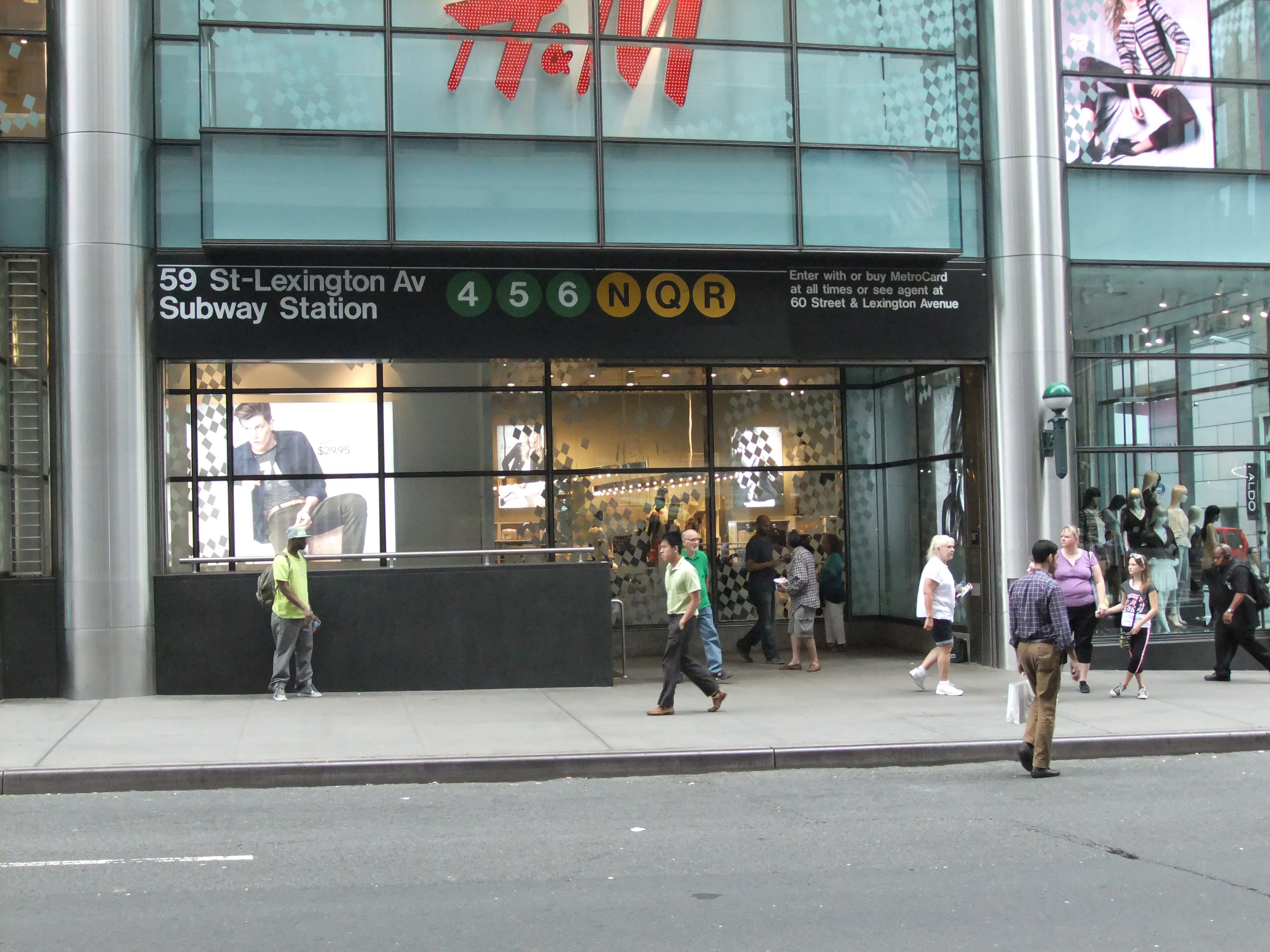
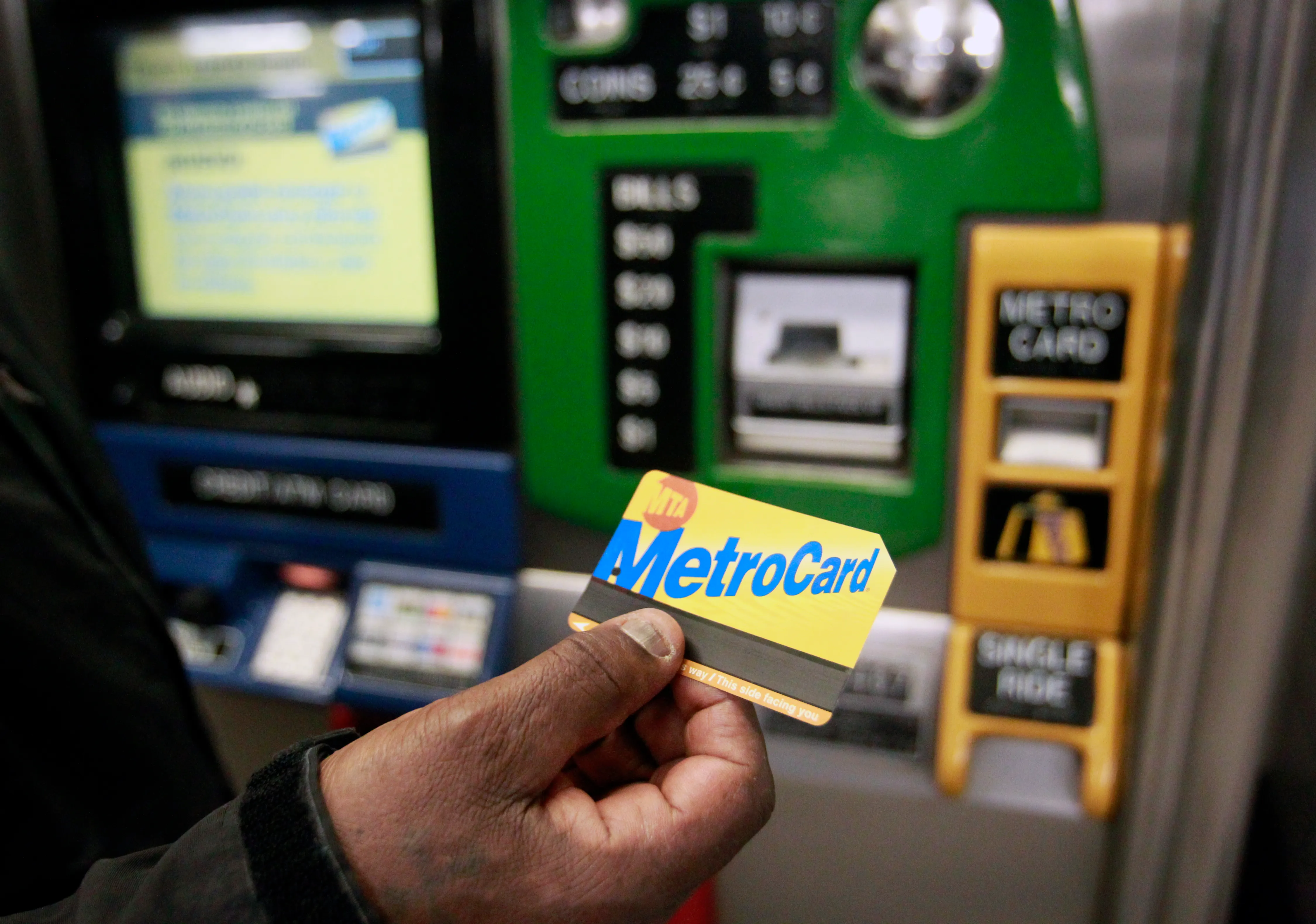
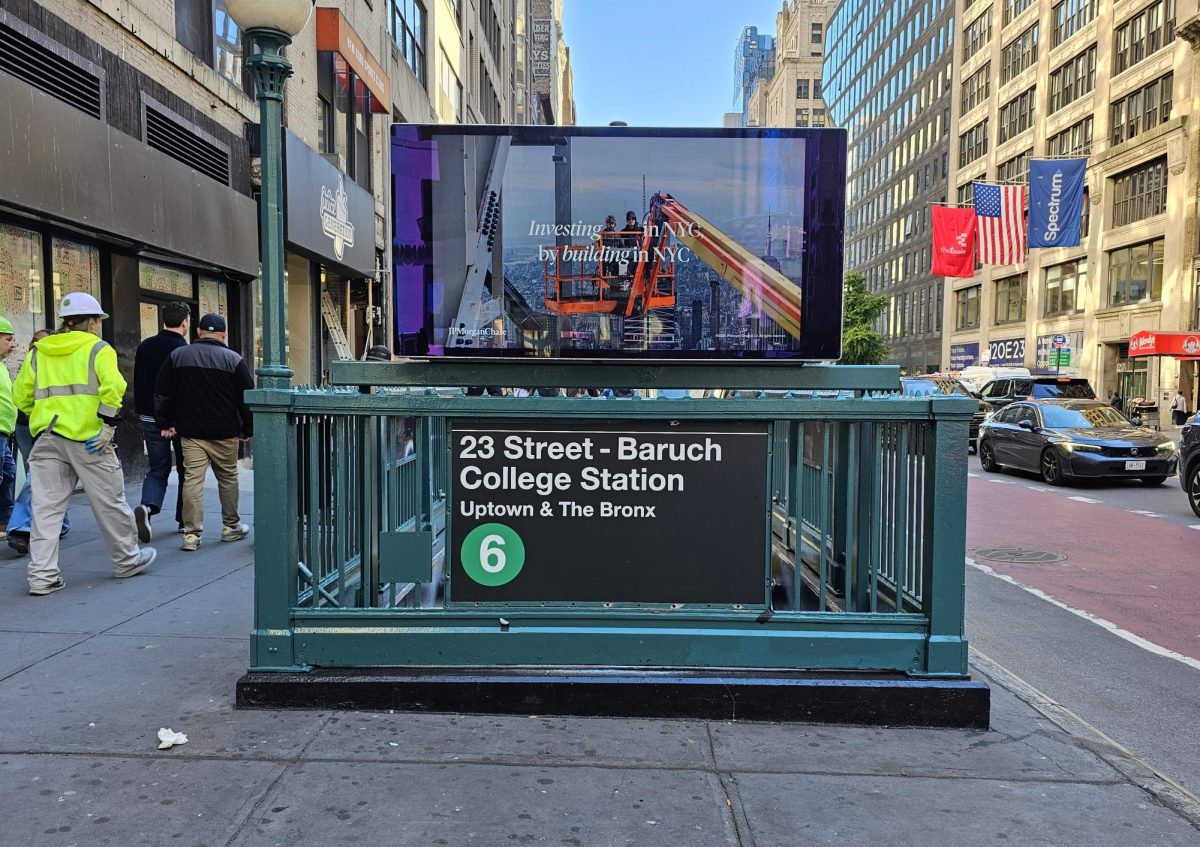
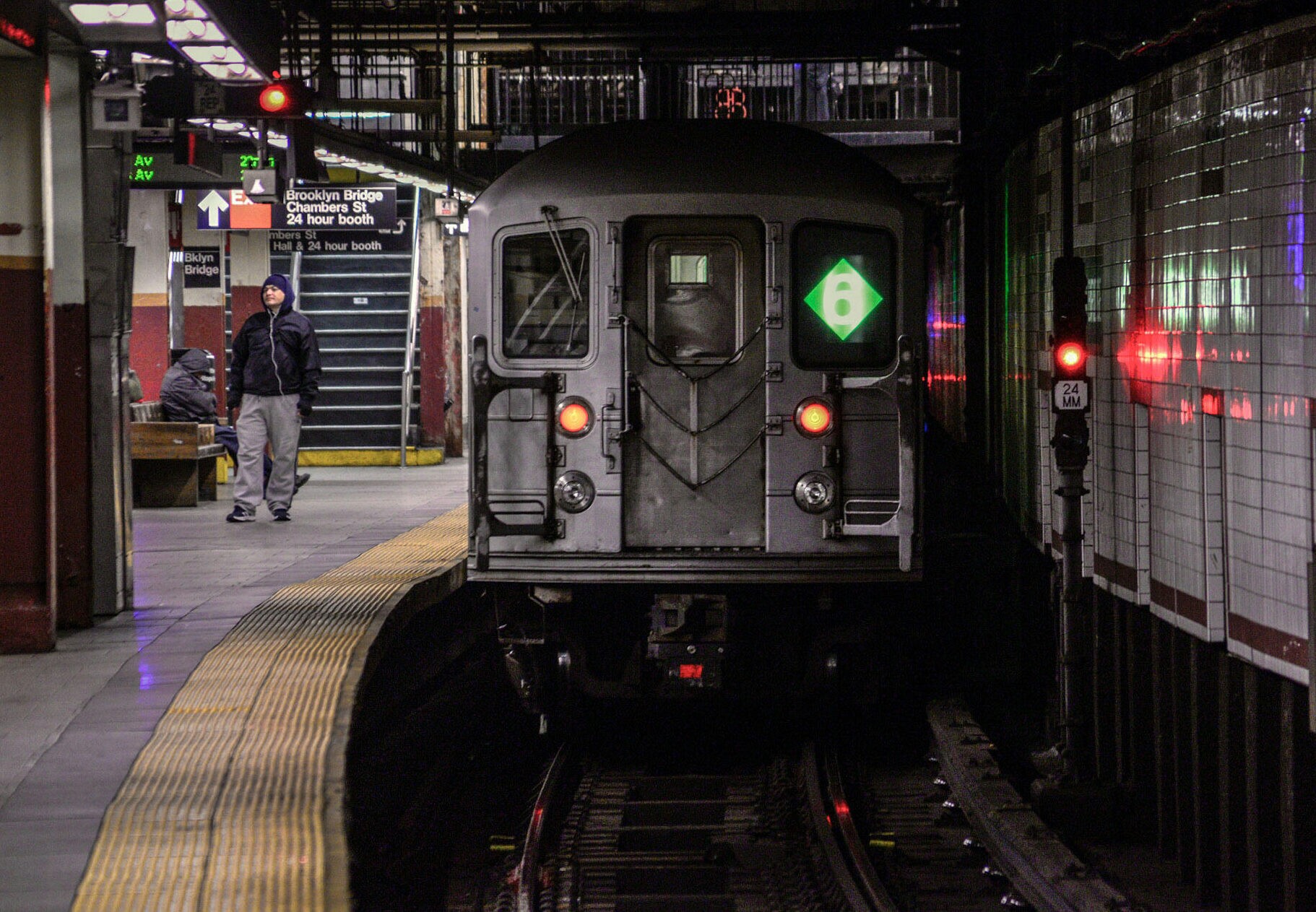
We selected AR-based navigation after a thorough review of multiple solutions
Since we lack the agency to redesign NYC’s physical infrastructure we leveraged AR to bypass the "interpretation tax" entirely. By mapping navigation directly onto the user's field of vision, we eliminate the friction of decoding cryptic symbols and navigating unfamiliar places. For a tourist, it is an overlay on top of the real world, turning a chaotic transit hub into a self-guiding interface.
AR Navigation For Public Transit
Final concept to help tourists traverse unfamiliar public transport systems
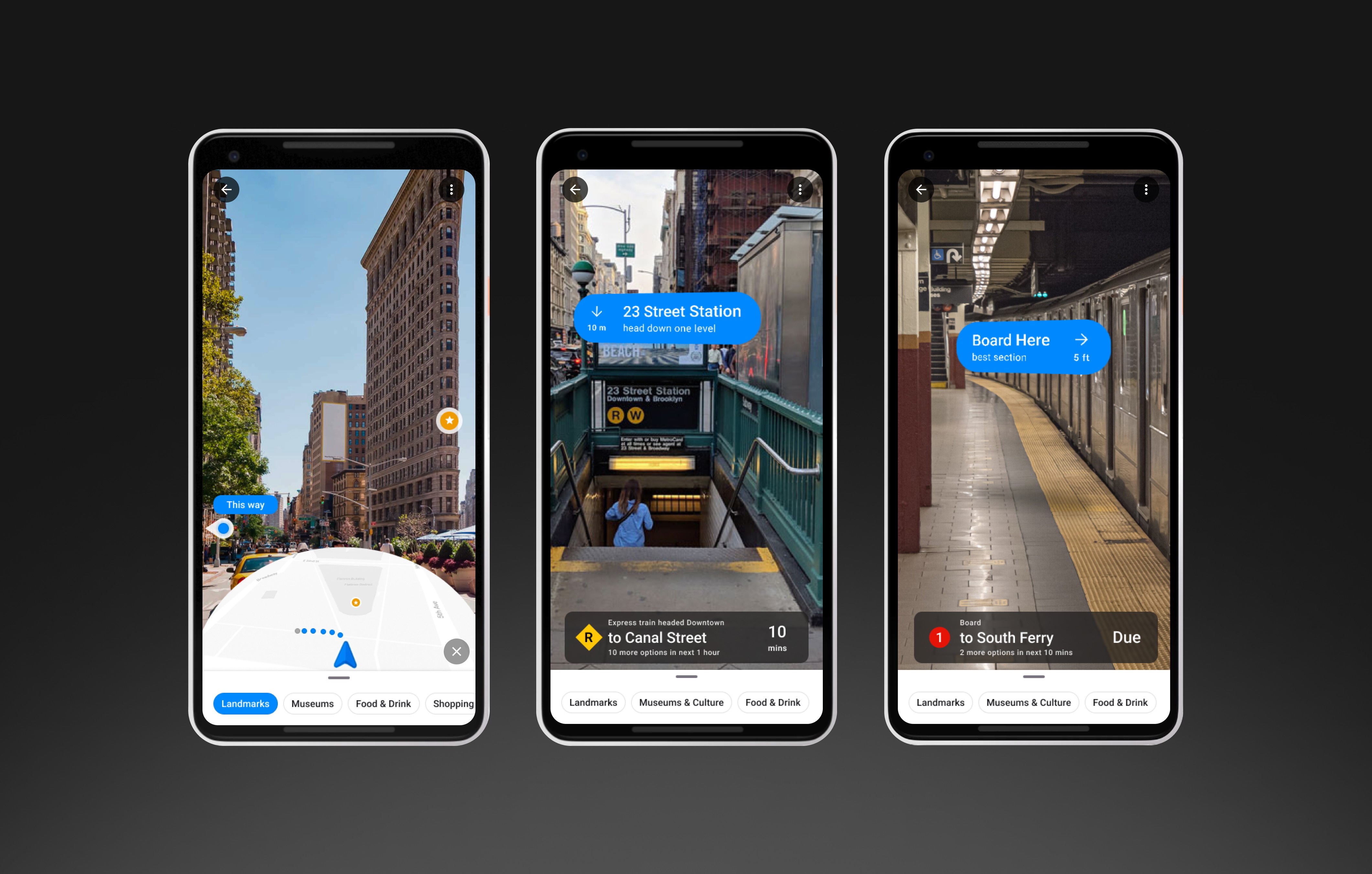
Eliminate direction guesswork
AR signage highlights Uptown and Downtown entrances before riders enter the station, helping them choose the correct entry point and avoid unnecessary platform changes.
Navigate the station with confidence
The app guides tourists step by step through the station, helping them reach the correct platform without deciphering lines, numbers, or color systems.
Predicting the best boarding spot
Real-time crowd insights guide riders to optimal waiting areas on the platform, improving their chances of boarding quickly and comfortably.
Design highlights
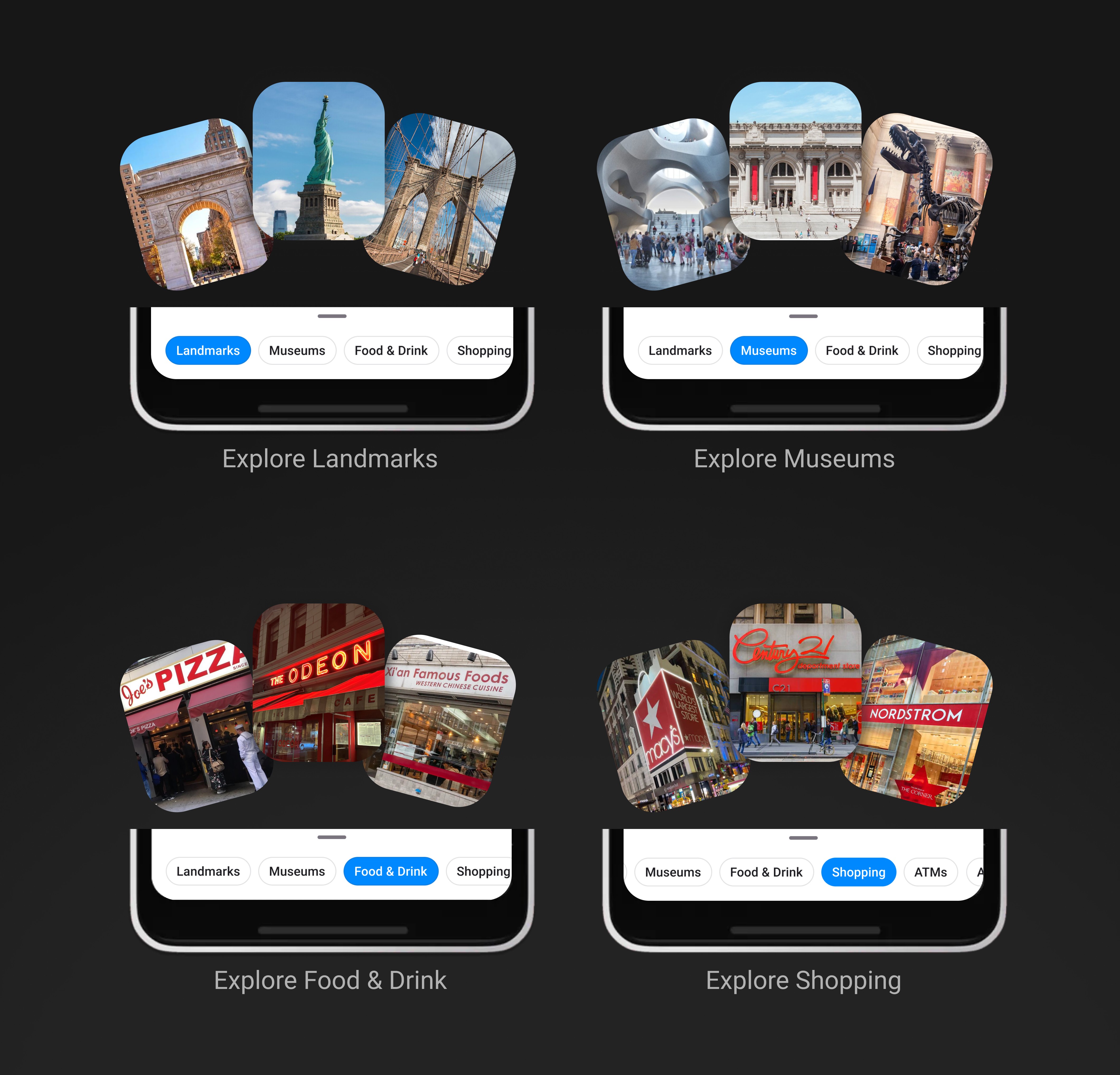
Share Custom AR Routes
Users could share private AR navigation links to help others find hard‑to‑reach or hidden locations.
AR Photo Map for Cultural Discovery
Photomaps could help tourists instantly understand an area through shared photos, revealing what it’s like before they arrive and enriching the Google Maps experience.
Designing beyond the first idea
By detaching from our original concept and focusing on validated user needs, we arrived at a stronger, research-backed solution. This approach enabled us to seamlessly evolve AR navigation within Google Maps, connecting it to personal sharing, local guides, and memory-driven AR layers.
Designing within a complex system
Introducing new capabilities into a sophisticated ecosystem like Google Maps required careful restraint to avoid experience rot. Although the concepts were valuable, discoverability—especially for AR-dependent features—could have been stronger. A holistic AR-centered redesign might have created a more seamless and intuitive entry point.